
Video games, VFX, animation and AI: Talent at the heart of Montréal’s creative tech ecosystem
Whether it’s your favourite video game or the latest blockbuster you saw on the big screen, there’s a good chance Montréal played a part in its production. Indeed, the city’s talent pool is behind major hits enjoyed by people around the world.
But what makes Montréal such a special place for both homegrown and international studios?
Let’s take a closer look.
Montréal, an ecosystem where creative worlds converge with video games, VFX and animation
You have to go back a few decades to pinpoint the beginnings of Montréal’s gaming industry. It started with Ubisoft’s arrival in 1997, and grew with major international studios including Eidos, Motive, NetEase Games and Compulsion Games. Today, the city ranks among the world’s top 10 video game production hubs.

Over time, Montréal’s reputation in the gaming and VFX industries has flourished. Local artists and specialists have contributed to countless international productions. Take Montréal-based Rodeo FX, for instance: the studio has worked on Dune, Game of Thrones and Stranger Things, to name a few.
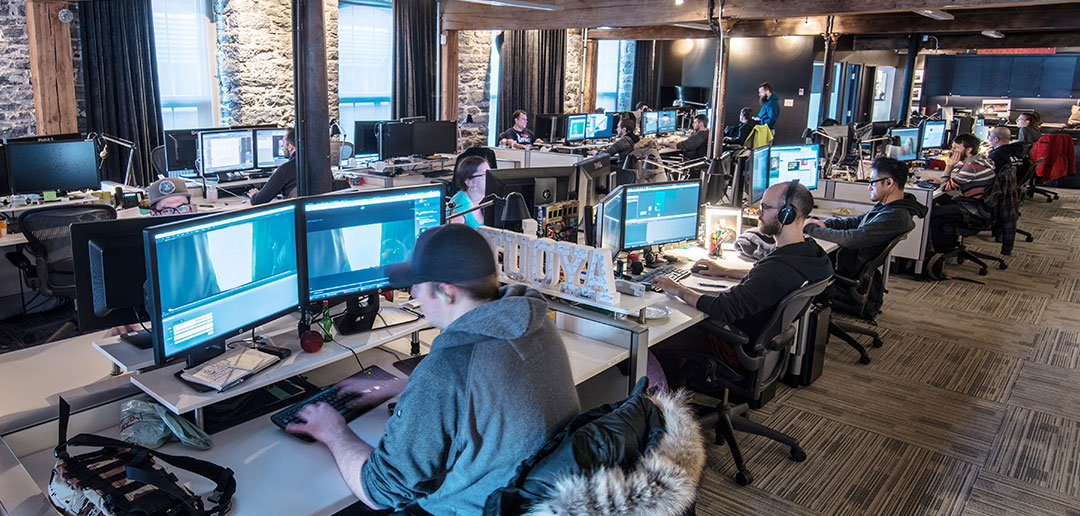
But what really sets Montréal apart is how closely these creative industries are connected.
Video games, VFX, animation, 3D technologies, immersive experiences and artificial intelligence all intersect in the city’s studios. Ideas, technologies and expertise can move from one industry to another, opening the door to entirely new applications.
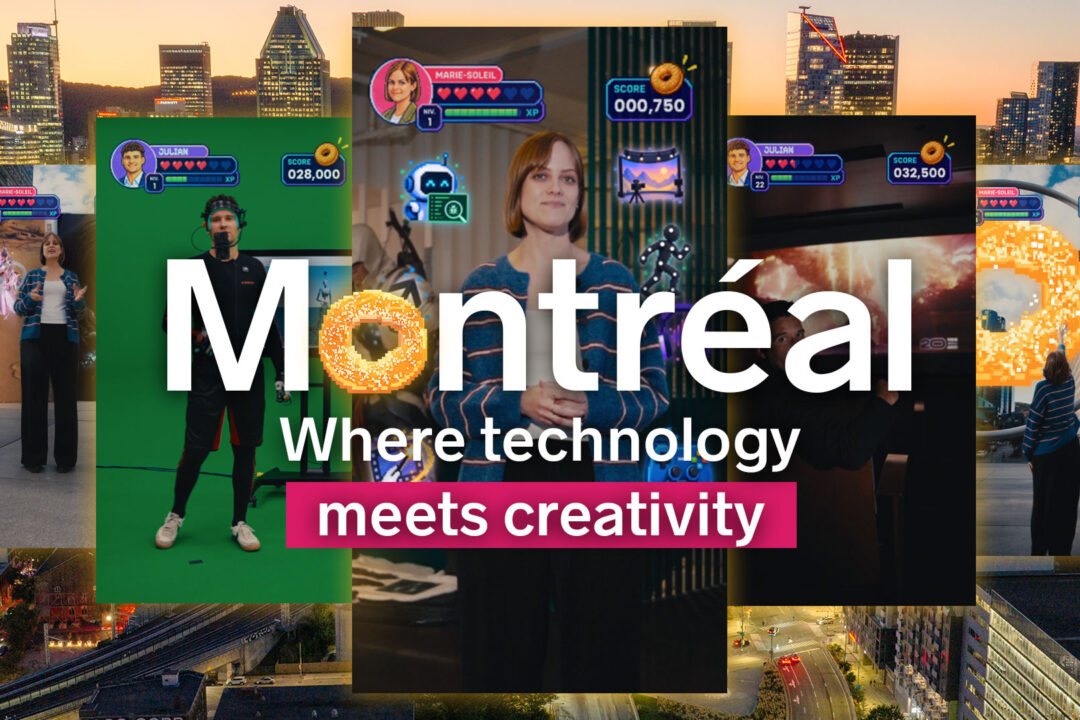
That’s what makes Greater Montréal a truly unique creative technology hub, one that we explore in our latest video.
Talent that bridges industries
Montréal’s talent pool wasn’t built overnight.
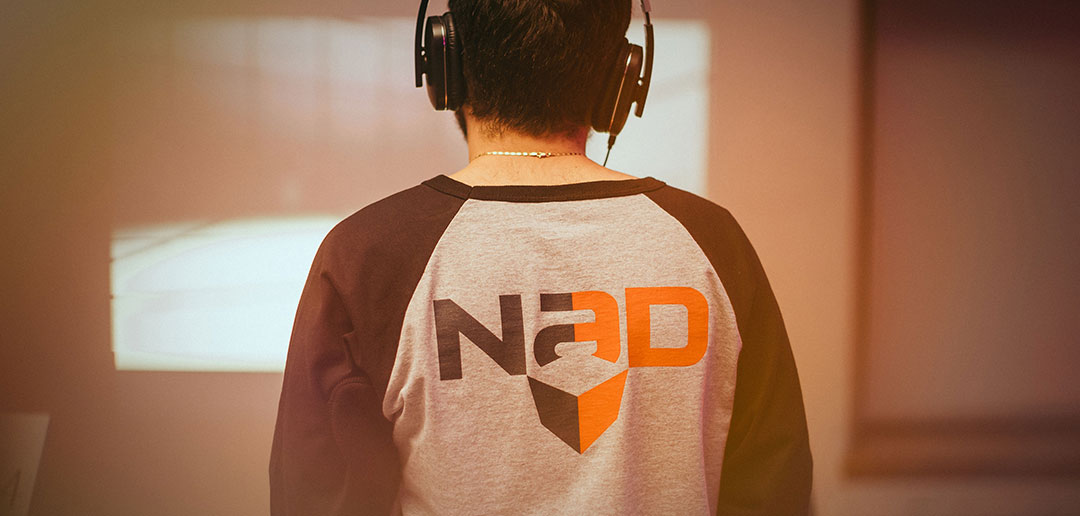
Greater Montréal is home to more than 20,000 workers in creative industries, supported by a strong network of specialized programs in video games, VFX and animation. NAD-UQAC, for example, trains specialists in 3D animation and digital design.
And the benefits from those skills reach far beyond the entertainment industry. Take aerospace, for instance, which uses technology originally developed for video games to train aircraft pilots. Yup, that’s happening in Montréal.
With the CAE Prodigy image generator, CAE uses Epic Games’ Unreal Engine, adapting technology well known in the gaming world to create simulation environments for pilot training.
It’s a great example of what makes Montréal’s ecosystem unique: expertise developed for one industry can be adapted to solve challenges in another.
And the possibilities don’t stop there. One particularly compelling example is digital twins, virtual replicas that can reproduce and simulate real-world environments.
At ALL IN 2025, Beaucoup Data took the concept even further by creating a digital replica of the event itself, where autonomous avatars could attend sessions and interact. It was an experiment at the intersection of AI, data and virtual environments.
This kind of cross-sectoral technological advances is opening up possibilities that extend far beyond entertainment.
When AI meets creativity in Montréal
Montréal’s creative expertise comes with another major advantage: a world-class artificial intelligence (AI) ecosystem.
Greater Montréal is home to more than 1,400 researchers and experts at Mila, the Québec AI Institute, as well as more than 60,000 workers with AI-related skills.

And the link between AI and creative industries is already producing tools developed right here.
LocusX, for example, offers an AI-powered platform designed to accelerate bug detection, analysis and resolution in video game development. Autodesk and Unity also offer tools that can help streamline animation, 3D creation, prototyping and certain development tasks.
Put these capabilities together, and Montréal becomes a place where creative talent and AI expertise can feed off each other and help companies explore new ways to build and innovate.
A competitive business environment for international companies
Of course, talent and innovation aren’t the only factors companies consider when deciding where to establish or expand their operations abroad.
Montréal also stands out for its competitive business environment. For both video games and VFX and animation, the city offers the most competitive operating costs among the 20 largest metropolitan areas in Canada and the United States.
Companies can also tap into specialized sources of capital. Montréal-based Triptyq Capital, for example, is a $41-million seed fund investing in application technologies with the potential to transform creative industries.
That combination is what makes Greater Montréal so compelling: creative and technical talent, world-class universities and research centres, homegrown and international studios, leading AI expertise, specialized funding and a competitive business environment.
In other words, if you’re looking for a place to imagine and build the next generation of creative technologies, from video games to VFX and animation, Montréal deserves a closer look.
Get a glimpse of Greater Montréal’s creative tech ecosystem in our video.